
Permanent Supportive Housing
Permanent Supportive Housing (PSH) is an evidence-based Best Practice for ending the long-term housing crisis experienced by chronically homeless individuals with significant disabilities. The vast majority of homeless households need Rapid Rehousing, time-limited assistance to regroup emotionally and implement a plan for transitioning back to their own housing in the community. These individuals and families are helped to move to rental housing, typically in New Hanover or Brunswick County, where they will have largely graduated from Good Shepherd’s care aside from as-needed connection to additional resources.
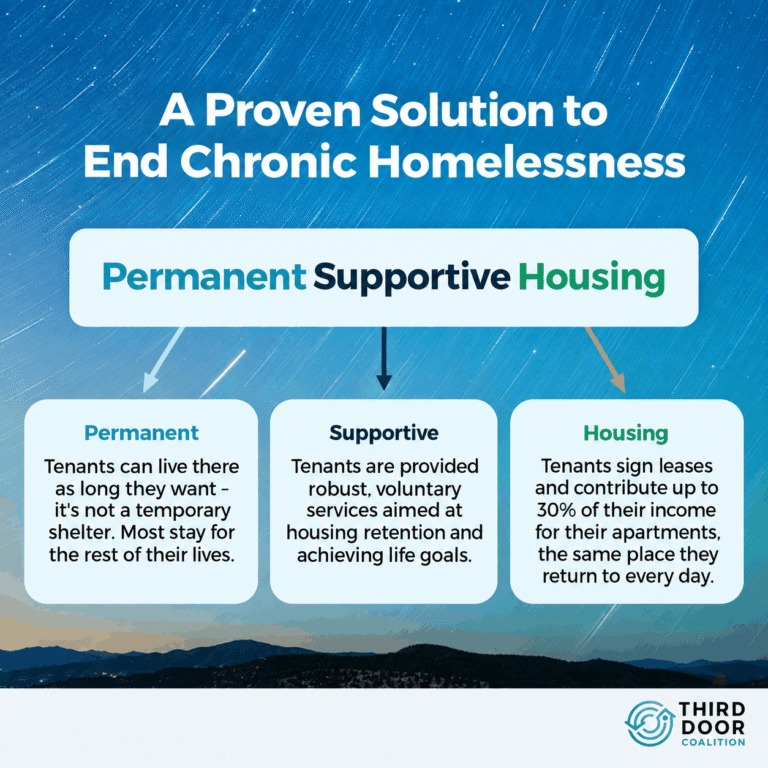
People who have lost their housing as a result of their severe special needs (mental health challenges, medical issues, physical disabilities and the reduced income that typically accompanies them) also have, not surprisingly, the greatest difficulty regaining housing. A growing body of research over more than two decades has shown that Permanent Supportive Housing is an effective intervention for this smallest but need-intensive group. PSH combines an affordable apartment (just 30% of one’s income for rent and utilities, sliding to zero for those without income) with robust on-site supports. For Good Shepherd, that takes the form of Case Managers who engage with residents daily and provide or facilitate supportive services such as connection to health care and disability assistance, transportation to grocery shopping and medical appointments, and personal goal setting. Essential to the implementation of this model is its permanency—rather than being expected to “graduate” to another circumstance, residents may continue living in the PSH community for as long as they desire and opt to continue their lease. If, as should be the case, the most fragile members of the unhoused community are being invited to reside in the program, the ongoing heavier touch of support by case management staff is necessary to achieving long-term stability.
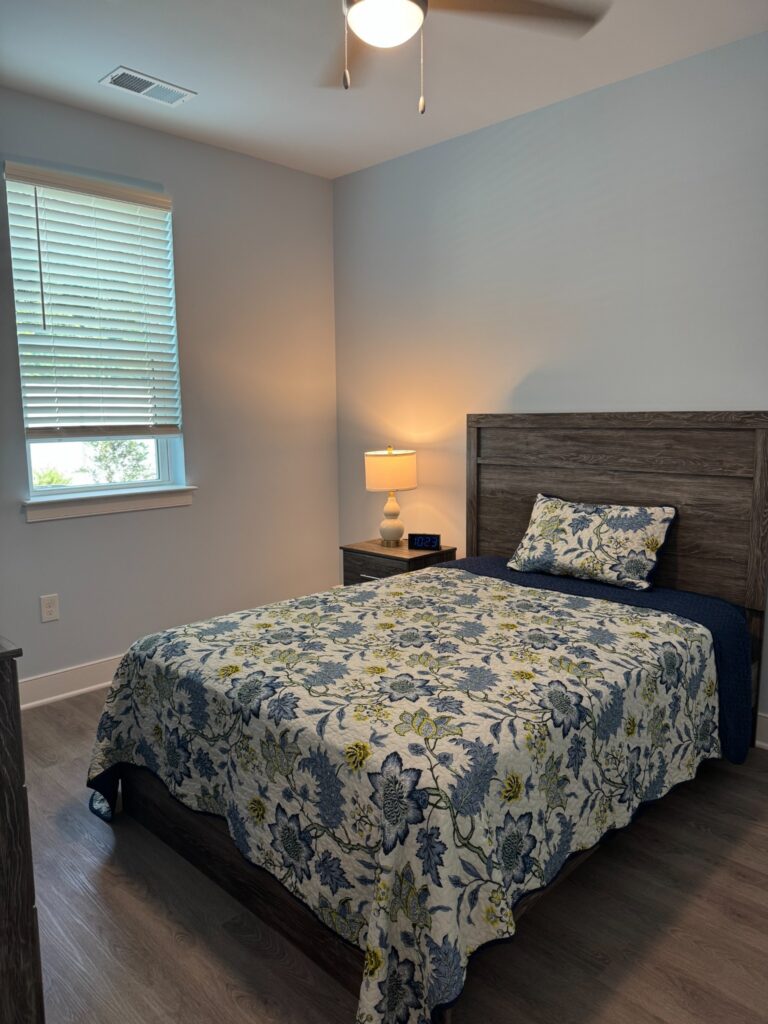
For Good Shepherd’s PSH programs, it is typical for a chronically homeless person with serious mental health and/or physical challenges to move into their apartment directly from many years living in the woods, their car, or another unsheltered situation, or after years of cycling from street to shelter to hospital and then back again. As studies in other communities corroborate, our experience has been that a PSH unit and its attached supportive services results in drastic reductions in ER and hospital use by residents and improvements in their physical health, mental health, and overall sense of well-being. More than 90% of chronically homeless persons with severe disabilities residing in our PSH communities remain housed after one year and many have now lived stably in their PSH unit for several years. Studies show that providing PSH is no more costly and, indeed, is often more cost effective to a community, than allowing unhoused people to remain trapped in the revolving door of high-cost crisis care and emergency housing.
Permanent Supportive Housing makes it possible for even our most fragile neighbors to move from homelessness to housing stability.
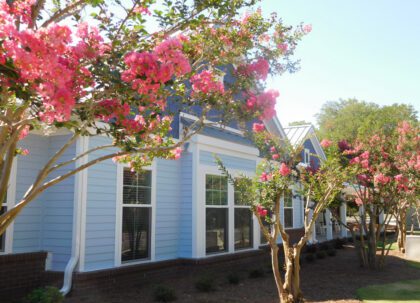
SECU Lakeside Reserve
40 one-bedroom units of PSH located on four acres across from Greenfield Lake.
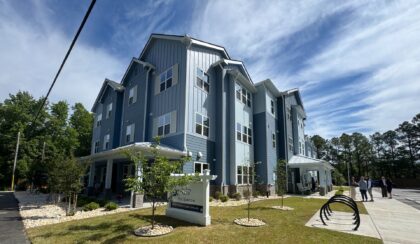
SECU The Sparrow
32 one-bedroom units of PSH on land donated by the City of Wilmington.
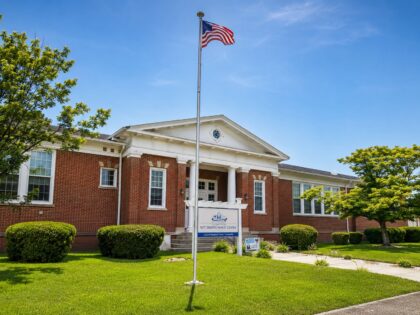
Sgt. Eugene Ashley Center
8 units of PSH that piloted our efforts to create housing for chronically homeless individuals with the most challenging disabilities.
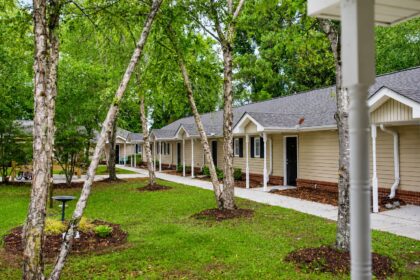
Driftwood
15 units of PSH (14 one-bedroom and 1 two-bedroom) expressly for chronically homeless persons with mental health and/or cognitive challenges.